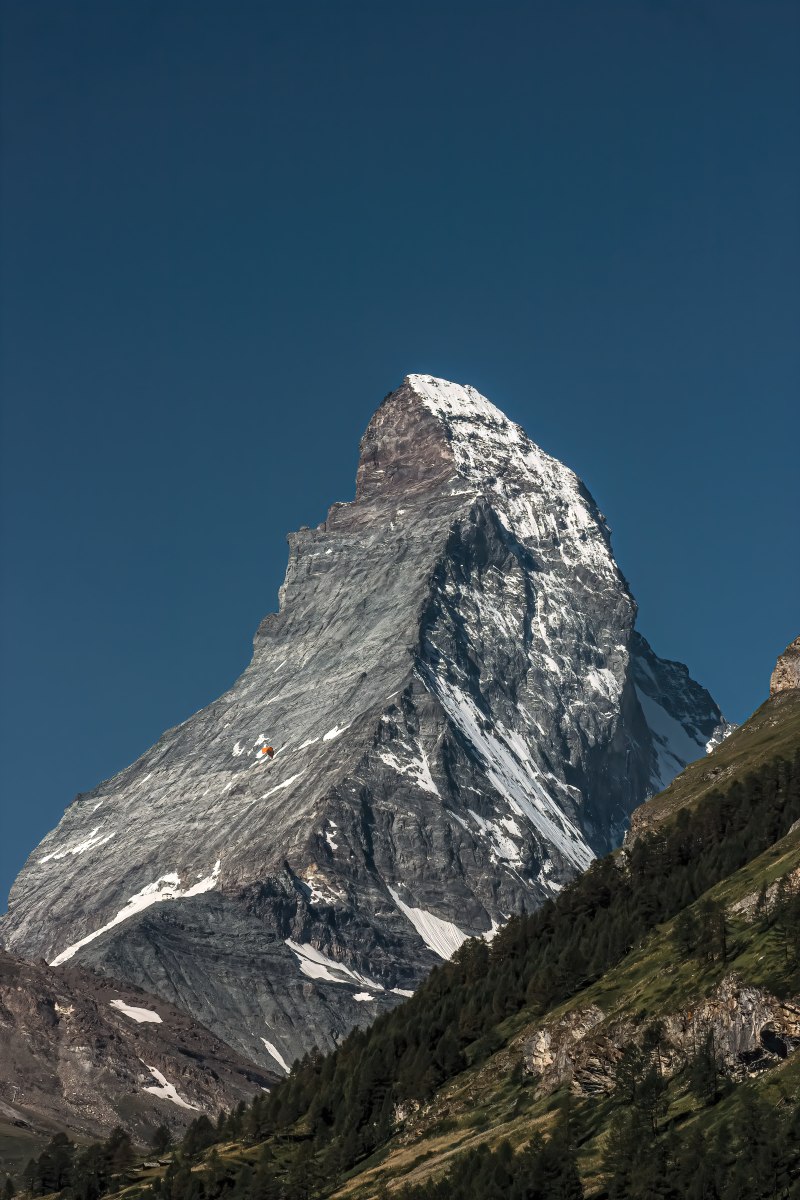
Conquering the Peaks: Zermatt, Switzerland, and the Enduring Spirit of Mountain Exploration
The majestic Matterhorn, rising high above the picturesque village of Zermatt, Switzerland, stands as a symbol of human aspiration and the timeless drive to overcome nature’s greatest challenges. For generations, this iconic peak and the surrounding Alps have drawn explorers, climbers, and adventurers from across Europe—including those from Italy and France—all united by a common goal: to reach the summit of one of the most formidable mountains in the world. This article honors the historical journey of those who…
The earliest expeditions to scale the Matterhorn in the mid-1800s were fraught with difficulty. Lacking modern equipment and comprehensive knowledge of high-altitude climbing, these pioneers faced daunting obstacles: volatile weather conditions, deep crevasses, and sheer, icy slopes. Despite their efforts, many early attempts ended in tragedy, reminding us of nature’s power and the price of daring endeavors. The bravery and determination of these climbers helped shape the legacy of the mountain, and their …
The quest to be the first to reach the Matterhorn’s summit was driven by determination and the spirit of the times. Teams from Italy, France, and Switzerland participated in this monumental effort, not in opposition, but as representatives of a shared ambition to achieve something extraordinary. Though national pride was present, these attempts collectively reflect the unity of the human spirit in facing the unknown and pushing the limits of possibility.
Zermatt’s location, with the Matterhorn straddling the border between Switzerland and Italy, further accentuates its unique role in European cultural and natural heritage. While the competition among climbers reflected the enthusiasm of the era, it ultimately led to cooperation, mutual respect, and a shared appreciation for the majesty of the Alps.
In modern times, Zermatt has evolved beyond its role as a climbing destination. Its challenging terrain and high elevation have made it a sought-after location for world-class athletic training. Athletes from around the world come to test their limits in this rigorous environment. High-altitude training is known to enhance endurance, improve cardiovascular efficiency, and increase oxygen capacity—vital attributes for elite performance.
The region’s infrastructure also reflects remarkable human achievement. The sophisticated mountain railway system that serves Zermatt is a marvel of engineering, allowing access to otherwise unreachable alpine regions. Designed to traverse steep inclines and icy paths, the trains operate safely and reliably in conditions that would otherwise be impassable. The ongoing maintenance and technological innovation in this system reflect a commitment to both safety and excellence.
Zermatt is also a model of environmental responsibility. The Matterhorn’s glaciers are a crucial source of fresh water, and preserving this resource is a national priority. Sustainable tourism and conservation efforts underscore Switzerland’s dedication to protecting the natural environment for future generations.
Interestingly, the Matterhorn’s striking silhouette also left its mark on popular culture. Walt Disney drew inspiration from this mountain when designing the Matterhorn Bobsleds attraction at Disneyland, channeling the excitement and splendor of alpine exploration into a beloved family experience. This creative interpretation helped introduce the allure of the Swiss Alps to a global audience.
In conclusion, the story of Zermatt is a story of resilience, respect, and human achievement. From early climbing expeditions to its modern role in sports science and environmental stewardship, Zermatt stands as a beacon of what can be accomplished when people are driven by courage and vision. The Matterhorn continues to inspire adventurers, athletes, engineers, and artists alike—proof that the spirit of exploration is as alive today as it was in centuries past.