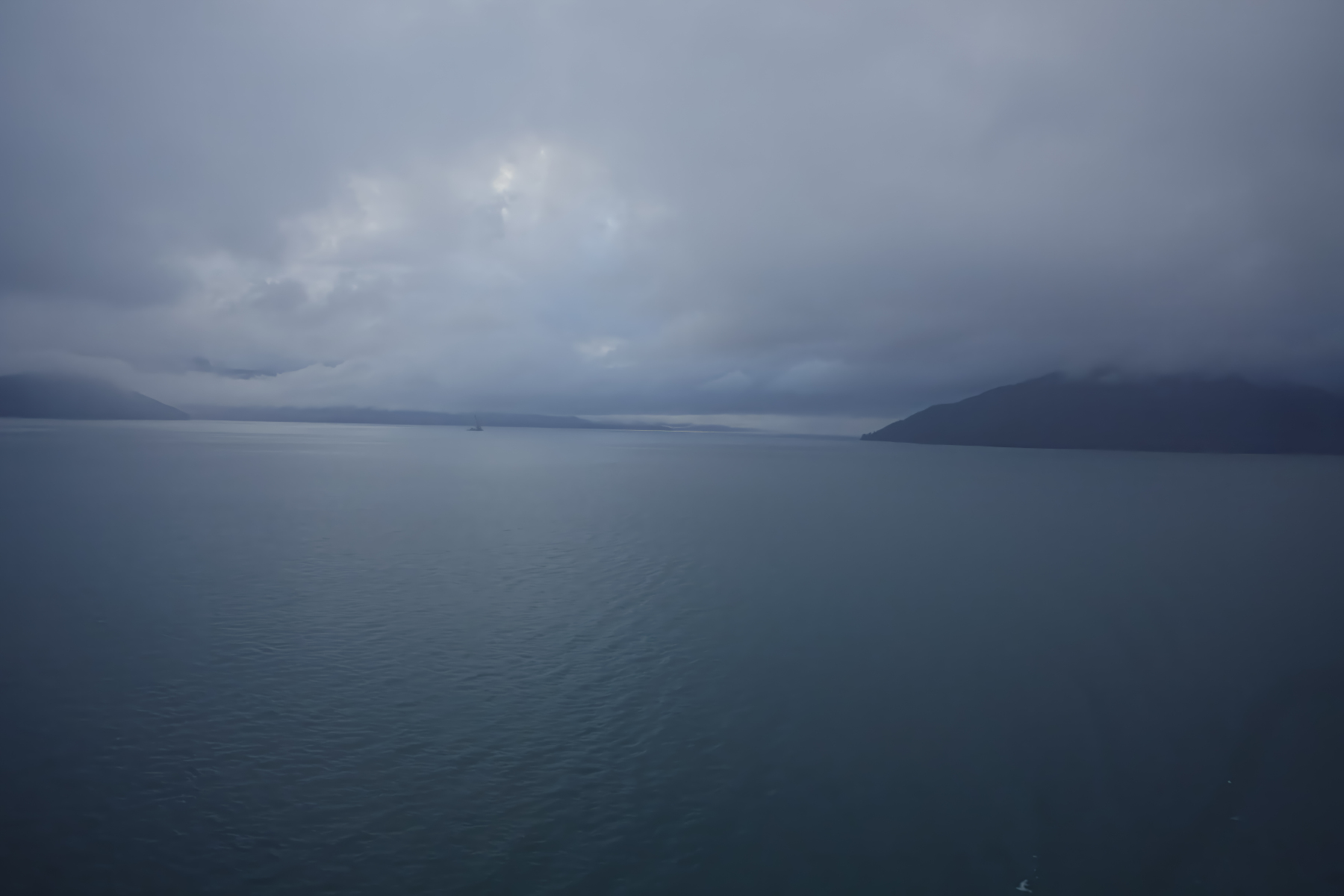
Vast and Untamed: Discovering the Heart of Alaska
Alaska, a land of staggering beauty and raw power, stands as one of the last great frontiers on Earth. From its vast wilderness and towering mountains to its rich wildlife and thriving port towns, Alaska has long captivated the imagination of explorers, adventurers, and nature lovers alike. It is a place where modern ambition meets ancient landscapes—a land of extremes, contrasts, and endless inspiration. This article explores the ports of Juneau, Skagway, and Sitka, delves into the state’s awe-inspiring biodiversity, and reflects on the profound connection between people and nature in this great northern sanctuary.
Juneau, the capital of Alaska, is one of the most majestic ports of call for cruisers. Nestled between Mount Roberts and Gastineau Channel, the city offers an immediate immersion into towering natural beauty. Whether you’re hiking up Perseverance Trail or taking the Mount Roberts Tramway for a panoramic view of the city and its surrounding wilderness, Juneau is a gateway to glaciers, fjords, and thick alpine forests. Nearby, Mendenhall Glacier stands as a towering, icy monument to the power of time and nature. Visitors from around the world come to witness the glacier’s retreating face and to marvel at its cerulean depths—a sobering yet inspiring symbol of nature’s grandeur and fragility.
Skagway, another key port, transports visitors into the heart of Alaska’s rugged gold rush history. The wooden boardwalks and false-front buildings preserve the spirit of the 1890s, yet behind this historic charm lies a vast playground of wilderness. Many use Skagway as a launch point for the Chilkoot Trail—a grueling and historic path once taken by fortune seekers in the Klondike Gold Rush. Even today, the trail remains a test of endurance and wilderness skill. Athletes and adventurers train in these environments not only for the physical challenge, but for the profound psychological clarity the land provides. Skagway represents the grit and resilience of Alaska itself—a place that demands preparation, humility, and awe from those who enter.
Sitka, once the capital of Russian America, blends rich cultural history with breathtaking landscapes. Here, totem poles stand tall among spruce forests, and brown bears roam not far from town. Sitka National Historical Park is a living museum, reflecting both Tlingit Native traditions and Russian colonial history. The wildness of Sitka’s coastlines and the richness of its forest ecology make it a magnet for naturalists, researchers, and creatives alike. In Sitka, culture and wilderness are inseparable, braided together into the fabric of daily life.
But Alaska’s essence goes far beyond its towns and ports. It lives in the creatures that roam its valleys, the icy breath of its mountains, and the silence of its vast tundra. The state is a sanctuary for some of North America’s most iconic wildlife. Brown bears fish for salmon in glacial streams, moose wander the boreal forests, and caribou migrate across sweeping arctic plains. The bald eagle—majestic and solemn—soars above it all, a symbol of strength and survival. Whales breach offshore in silent communication, while wolves move like shadows through the underbrush.
The landscapes are as varied as they are immense. Towering peaks like Denali pierce the sky, while the Inside Passage glimmers with cold beauty. Alaska is home to eight national parks and dozens of wildlife refuges—millions of acres preserved not just for recreation, but for the enduring continuity of ecosystems. These lands are not just scenic backdrops; they are dynamic, living spaces in which every creature, from bear to beetle, plays a critical role.
What makes Alaska profoundly unique is not just its size or isolation, but the way it requires people to adapt and respect its rhythms. Alaskans live by seasonal change, by cycles of salmon and snowfall. Subsistence traditions—rooted in Native heritage—remain vibrant and respected. The bond between humans and landscape here is sacred and necessary. Those who visit are often transformed by it, leaving with a deeper understanding of nature’s power, and their place within it.
In conclusion, Alaska offers more than just a travel experience; it offers revelation. From the bustling port of Juneau to the spiritual wildness of Sitka, from the historic trails of Skagway to the bear-haunted backcountry, it is a land that challenges and restores, humbles and uplifts. Alaska is not just a place on a map—it is a force, an idea, and for many, a lifelong calling.