
Giants of the West: Bison, Strength, and Survival at Yellowstone and Antelope Island
The American bison stands as one of the most iconic symbols of the American frontier. These majestic animals, with their sheer size, endurance, and commanding presence, represent both the wild spirit of the West and a testament to nature’s resilience. Once nearly lost to history, the bison’s remarkable comeback reflects both the power of conservation and the animal’s inherent toughness. Today, bison roam free in protected environments such as Yellowstone National Park and Antelope Island State Park, …
Yellowstone National Park offers vast landscapes that provide an ideal sanctuary for bison. Here, they are an integral part of the ecosystem. Their movements influence plant growth, their wallows create microhabitats, and their presence sustains a range of other species. Yet, bison are not to be underestimated. Weighing up to 2,000 pounds, their massive stature and unpredictable behavior make them formidable animals. Many visitors are surprised by how quickly bison can move and how fiercely they protec…
Antelope Island, located within Utah’s Great Salt Lake, presents a dramatically different setting. Summers bring intense heat and limited water, while winters are defined by cold winds and limited food sources. And yet, the bison endure. They’ve adapted brilliantly to this extreme habitat, showcasing their evolutionary strength. Their thick coats protect them against the chill, and their ability to find sparse vegetation demonstrates keen instincts. Observing them in this unique landscape offers insight…
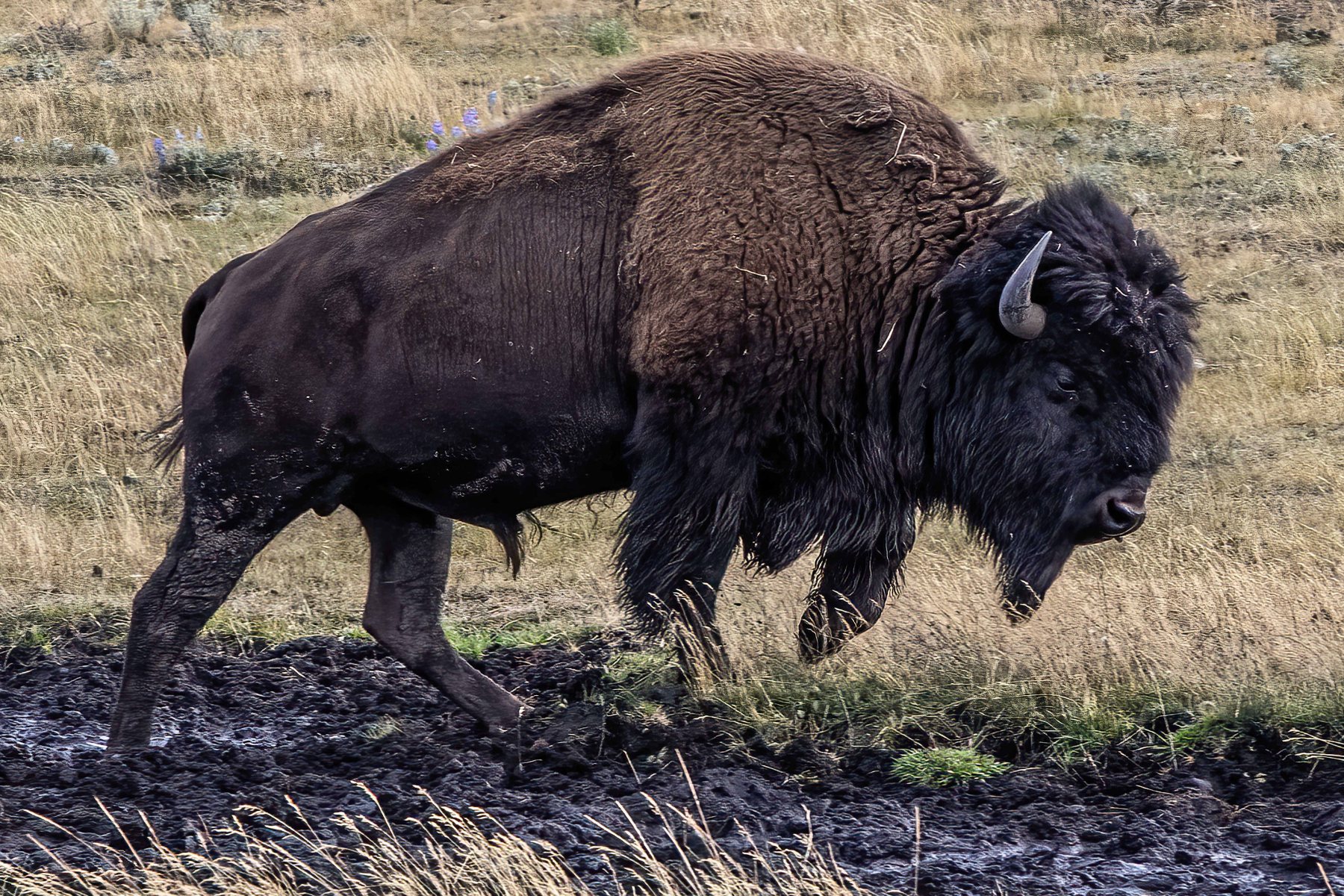
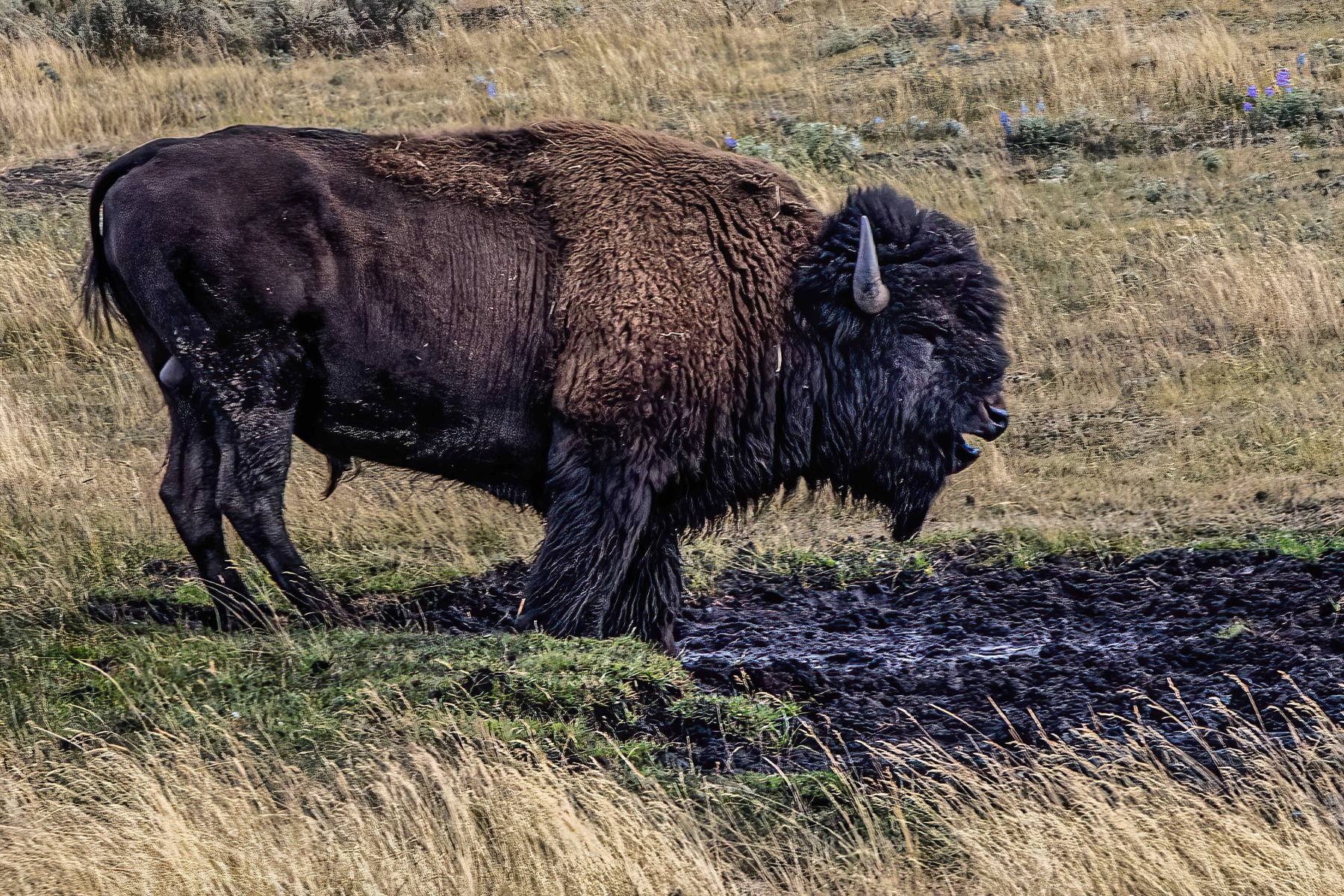
The physical attributes of the bison are awe-inspiring. Their strong legs carry them swiftly across varied terrain. Their thick hides and powerful necks help them battle both predators and weather. The horns of a bison, though compact, are potent tools for defense. Every detail of their physiology speaks to their role as survivors—creatures honed by time and shaped by environment.
The story of the bison’s near-extinction in the 19th century is a sobering reminder of human impact on nature. Mass hunting and habitat loss brought the species to the brink. Through collective conservation efforts, including protected parklands and managed herds, bison numbers have been revived. The thriving herds in Yellowstone and Antelope Island today are the result of decades of dedicated work. This story of recovery serves as a powerful model of what can be accomplished when wildlife protection i…
Modern park management continues to balance conservation and public engagement. Educational signage, ranger-led talks, and respectful viewing policies all support a culture of safety and awareness. These efforts help park visitors appreciate the majesty of bison without disturbing their natural behavior. By fostering respect, these programs preserve not just the bison’s safety, but also the integrity of the entire ecosystem.
The bison’s significance extends beyond ecology. As an emblem of the American West, they inspire respect, creativity, and a sense of awe. Their image appears in art, literature, and music. Comparisons to powerful voices—like that of singer Adam Lambert—draw on their shared impact: strong, captivating, unforgettable. While metaphorical, this parallel helps illustrate how some presences—whether animal or human—command the attention of all who encounter them.
In conclusion, the American bison exemplifies strength, endurance, and the rewards of conservation. From Yellowstone’s wide valleys to the stark beauty of Antelope Island, these animals thrive in landscapes as dramatic as they are demanding. Through careful stewardship and public respect, we can ensure that future generations will continue to witness the grandeur of the bison—majestic, resilient, and forever a titan of the plains.